Call for Free Estimates and Financing!
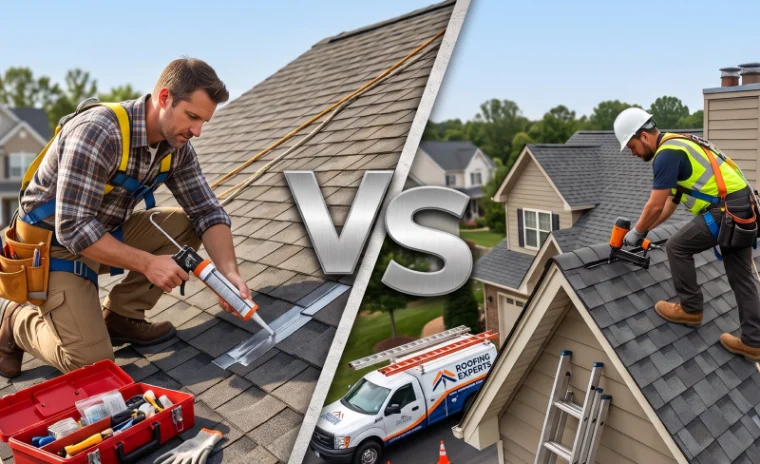
Know when to climb and when to call.
Minor Shingle Replacement
If you’ve lost just a few shingles after a windstorm and your roof is low-pitched and easy to access, this is often a straightforward DIY project. You’ll need replacement shingles that match your existing roof, roofing cement, a pry bar, and galvanized roofing nails. The job involves carefully lifting the shingles above the damaged area, removing old nails, sliding the new shingle into place, and sealing it down.
West Texas winds can be relentless, especially during spring months when gusts regularly exceed 40 mph across the Permian Basin. Homeowners in Seminole, Odessa, and Midland often find a handful of shingles in the yard after a storm. If the damage is limited to five shingles or fewer, the roof pitch is walkable, and you’re comfortable working at height with proper fall protection, this repair can save you a service call.
Before you start any DIY shingle replacement, gather the right safety equipment. At minimum, you need a sturdy extension ladder rated for your weight plus tools, rubber-soled work boots with good tread, and ideally a roof harness if you’re working on any pitch steeper than 4:12. Even a single-story ranch home puts you 10 to 12 feet off the ground, and a fall from that height onto hard caliche soil common in the Seminole area can result in broken bones or worse.
When you’re ready to make the repair, choose a cool morning or late afternoon to avoid working on shingles softened by the midday sun. In July and August, surface temperatures on an asphalt shingle roof in West Texas can exceed 160 degrees, making the material pliable and easy to tear. Start by carefully lifting the tabs of the shingles in the row above the damaged one. Use the pry bar to remove the nails holding the old shingle, then slide it out. Insert the new shingle, making sure it aligns with the surrounding pattern, and secure it with four nails placed just below the adhesive strip. Apply a dab of roofing cement under the lifted tabs above to reseal them.
One common mistake is using mismatched shingles. Even if the color looks close, differences in thickness, granule texture, or age can make the repair obvious and may not seal properly against wind-driven rain. If your roof is more than ten years old and you can’t find exact replacements, consider ordering from the original manufacturer or asking a local supplier to match your sample.
That said, if the shingles are brittle from years of UV exposure or if you discover water staining on the underlayment when you lift the damaged area, it’s time to schedule an inspection with a licensed roofer. Stains indicate that water has been penetrating for some time, potentially damaging the decking below. What starts as a five-shingle replacement can quickly turn into a section of rotted plywood that needs to be cut out and replaced, a job that requires carpentry skills, code knowledge, and often a building permit.
Additionally, if you notice that shingles are coming loose in multiple areas of the roof or if you see granule loss in your gutters, those are signs of widespread aging. A few scattered repairs won’t extend the life of a failing roof by more than a season or two. In those cases, investing in our roofing services for a full assessment and estimate will give you a clearer picture of whether a repair or replacement makes the most financial sense.
DIY shingle replacement works best as a quick response to isolated storm damage on an otherwise healthy, accessible roof. It keeps small problems from becoming big ones and helps you stay hands-on with your home maintenance. Just be honest about your skill level, respect the height, and know when to call in help.
Flashing and Penetration Seals
Roof penetrations like vent pipes, skylights, and chimneys are common leak points, especially as the sealant ages and cracks under intense sun. If you spot a small, isolated leak around a pipe boot or flashing during a rainstorm, and you can safely access the area, resealing with high-quality roofing caulk or replacing a worn rubber boot can be a temporary DIY fix.
In the Permian Basin, temperature swings from freezing winter nights to 100-degree summer afternoons cause sealants to expand, contract, and eventually fail faster than in milder climates. A bead of caulk around a vent pipe might buy you a few months, but it’s rarely a permanent solution. If the flashing itself is bent, rusted, or lifting away from the roof deck, or if the leak has already caused ceiling stains or insulation damage, a professional roofing services team should assess the underlying structure and install new flashing correctly.
DIY flashing repairs are best suited for preventive maintenance on newer roofs, not as a bandage for long-term deterioration.
Structural Damage and Large-Scale Repairs
Any roof damage that affects the decking, trusses, or structural integrity requires immediate professional intervention. This includes sagging areas, visible daylight through the attic, water pooling on flat sections, or widespread shingle loss across multiple roof planes. These issues signal that the problem extends beyond the surface layer and into the framing, insulation, or ventilation systems.
Hailstorms are a regular occurrence in West Texas, and a severe hail event can bruise or fracture shingles across an entire roof in minutes. What looks like cosmetic dimpling from the ground may have compromised the shingle’s protective granules and waterproof seal, setting the stage for leaks within a year or two. A professional inspection service after hail includes checking for hidden damage to metal flashing, vents, and the underlayment that you wouldn’t catch from a ladder.
Similarly, if your home was built before modern building codes and you’re dealing with multiple layers of old shingles, rotting plywood, or inadequate ventilation, a DIY patch won’t address the root cause. Licensed contractors carry liability insurance, workers’ compensation, and the tools to safely tear off, reframe, and rebuild sections of roof to current standards.
Height and Fall Risk
Falls from roofs are the leading cause of serious injury and death in residential home improvement projects. If your roof pitch is steeper than 6:12, you’re working more than one story off the ground, or the surface is slippery from algae, morning dew, or loose granules, the risk multiplies. Professional roofers use OSHA-compliant harness systems, anchor points, safety lines, and non-slip footwear designed for steep work.
Many homes in Seminole and the surrounding Permian Basin area feature low-slope roofs on ranch-style construction, but two-story homes with 8:12 or 10:12 pitches are common in newer subdivisions. Even on a moderate pitch, summer heat can make asphalt shingles soft and unstable underfoot by mid-afternoon, and a sudden gust of wind at roof level can knock you off balance.
If you have any doubt about your ability to work safely at height, or if you don’t own proper fall-protection gear, call us for safe roof work. The cost of a service call is negligible compared to a hospital bill or worse.
Your Trusted Roofing Partner in West Texas
Not sure whether your roof issue is a quick fix or a bigger problem? We’re here to help. Our team will walk your roof, explain exactly what we find, and give you an honest, no-pressure estimate. Whether it’s a few missing shingles or a full roof replacement, you’ll know your options and the real costs upfront.
Call us at (432) 209-7283 or visit our contact page to schedule your free inspection. We serve Seminole, Odessa, Midland, Lubbock, and every corner of the Permian Basin. Let’s keep your home safe and dry, together.